How to Streamline Inventory & Shipping for APAC Online Stores
- The Growing Need for Smarter Logistics in APAC
- Inventory Management: The Foundation of E-Commerce Success
- Optimizing Warehousing & Fulfillment Centers in APAC
- Cross-Border Shipping & Last-Mile Delivery Solutions
- Leveraging Technology to Scale E-Commerce Logistics
- Next Steps: Work with GLEADS for a Winning Logistics Strategy
- Conclusion
The Asia Pacific e-commerce logistics market is expanding at an unprecedented rate. In 2023, it generated $156.99 billion in revenue and is projected to grow at a CAGR of 23.8% from 2024 to 20301. Globally, the e-commerce logistics market is set to jump from $743.74 billion in 2024 to $848.87 billion in 2025, reflecting a 14.1% CAGR2. This rapid growth is fueled by increasing consumer expectations for fast delivery, globalized supply chains, and the need for optimized inventory management and warehousing solutions.
However, despite this booming potential, many online businesses in Hong Kong and across APAC struggle with inefficient inventory tracking, slow cross-border shipping, and high last-mile delivery costs. As digital entrepreneurs seek to establish direct-to-consumer (DTC) brands and move beyond third-party marketplaces, having a streamlined logistics and fulfillment strategy is more critical than ever.
What this article covers:
- Inventory management strategies for efficiency and cost reduction
- Warehouse optimization techniques to improve storage and fulfillment
- Cross-border shipping solutions for APAC e-commerce businesses
- Technology-driven innovations in logistics and delivery
- Best practices for scaling online stores while maintaining seamless logistics
Whether you’re a growing e-commerce brand or a digital entrepreneur, mastering logistics is key to long-term success. Let’s dive in!
The Growing Need for Smarter Logistics in APAC
The Asia-Pacific (APAC) region has emerged as the world’s largest e-commerce market, driven by rapid digital adoption, increasing internet penetration, and a burgeoning middle class. With leading economies such as China, India, Japan, and Southeast Asia witnessing unprecedented growth in online retail, businesses must adapt to evolving consumer expectations. However, this rapid expansion presents significant logistical challenges, necessitating smarter and more efficient supply chain solutions.
Challenges in Inventory and Shipping for Online Businesses
Online businesses face multiple challenges in managing inventory and shipping, which can significantly impact customer satisfaction and profitability.
- Variability in demand: Seasonal fluctuations, emerging trends, and external disruptions like pandemics or economic shifts make inventory management increasingly complex. Without accurate demand forecasting, businesses risk either stockouts, leading to lost sales, or overstocks, which tie up capital and storage space.
- Multi-channel sales coordination: Many retailers operate across various platforms, including proprietary websites, third-party marketplaces, and social media. Managing inventory across these channels requires real-time synchronization to prevent discrepancies in stock levels.
- Supply chain disruptions: Events like the COVID-19 pandemic exposed vulnerabilities in global logistics, highlighting the need for diversified supplier networks and contingency planning to ensure business continuity.
The Importance of Efficient Logistics for Digital Entrepreneurs
As competition intensifies, efficient logistics have become a key differentiator in e-commerce success. Consumers now expect fast, flexible, and transparent deliveries, with many prioritizing businesses that offer seamless order fulfillment. Studies show that poor delivery experiences significantly impact customer retention, making logistics optimization an essential investment for digital entrepreneurs.
Moreover, the rise of cross-border e-commerce necessitates robust shipping strategies. Many APAC-based businesses cater to international markets, requiring efficient customs clearance processes and strategic warehousing solutions to minimize delays and costs. Advanced technologies such as AI-driven demand forecasting, warehouse automation, and last-mile delivery orchestration help retailers maintain agility in a dynamic market.
How GLEADS Optimizes Supply Chain Solutions
GLEADS is at the forefront of providing innovative supply chain solutions for e-commerce businesses in APAC. By leveraging technology and data-driven strategies, GLEADS helps companies streamline their inventory management processes.
- Smart Inventory Management: We use advanced tracking systems to monitor stock levels in real time, reducing overstocking or stockouts.
- Global Warehousing Solutions: With strategically located warehouses, businesses can store products closer to customers, reducing shipping time and costs.
- Seamless Cross-Border Logistics: We handle customs clearance and regulatory compliance, ensuring smooth international shipping without unexpected delays.
- Tech-Driven Optimization: AI-powered analytics and automation help predict demand, optimize inventory placement, and enhance overall logistics performance.
- Reliable Shipping Partnerships: Partnering with leading carriers, we provide competitive shipping rates and multiple delivery options, meeting diverse customer needs.
With GLEADS as a trusted logistics partner, businesses in APAC can overcome logistical challenges, enhance efficiency, and drive sustainable growth. Contact us for more details!
Inventory Management: The Foundation of E-Commerce Success

Inventory management is the backbone of any e-commerce business, ensuring smooth operations, cost efficiency, and customer satisfaction. Let’s explore key inventory management solutions and how businesses can leverage them for success.
Smart Inventory Management Solutions
E-commerce businesses must implement intelligent inventory management strategies to maintain efficiency and avoid stock issues. Below are essential solutions:
- Real-Time Inventory Tracking with Cloud-Based Software: Cloud-based inventory systems allow businesses to monitor stock levels in real time. This ensures that they can prevent stockouts or overstocking and improve overall order accuracy.
- Predictive Analytics for Demand Forecasting: Using historical sales data, businesses can anticipate demand fluctuations. This enables better decision-making for stock replenishment and reduces the risk of unsold inventory.
- Automated Stock Replenishment for Efficiency: Automating the reorder process ensures that stock is replenished before it runs out. This reduces manual effort and prevents delays in order fulfillment.
Case Study: A leading digital brand adopted AI-driven inventory tracking, reducing order errors by 30% and cutting holding costs by 20%. By integrating predictive analytics, the company optimized stock levels and improved delivery times, resulting in higher customer satisfaction.
Choosing the Right Inventory Management System (IMS)
An effective Inventory Management System (IMS) is essential for businesses to maintain optimal stock levels, streamline order fulfillment, and minimize operational inefficiencies. Selecting the right system involves evaluating key features, comparing available solutions, and considering customized options for enhanced business integration.
A robust IMS should offer:
- SKU tracking to monitor product movement and stock levels accurately.
- Order syncing across multiple sales channels for real-time inventory updates.
- Low-stock alerts to prevent stockouts and ensure timely replenishment.
- Automated reporting tools for data-driven decision-making and demand forecasting.
Businesses in the Asia-Pacific region rely on a variety of IMS solutions tailored to different operational needs. Some of the most popular options include:
- Katana Cloud Inventory – Ideal for manufacturers and growing e-commerce brands with real-time inventory tracking.
- TradeGecko – Best suited for wholesalers and distributors managing multi-channel sales.
- Zoho Inventory – A budget-friendly solution for small businesses with built-in automation tools.
Selecting the best IMS depends on business size, industry requirements, and scalability needs. GLEADS provides customized IMS solutions designed to integrate seamlessly with e-commerce platforms. Our systems enhance supply chain visibility, optimize stock management, and automate fulfillment processes, ensuring businesses can scale efficiently without operational bottlenecks.
Key Inventory Management Techniques
To maximize efficiency and reduce costs, businesses must implement strategic inventory management practices. The following techniques help ensure optimal stock levels and streamlined operations:
1. Safety Stock: Preparing for Uncertainty
Maintaining safety stock protects against supply chain delays or unexpected demand spikes. The ideal safety stock level can be calculated using:
Safety Stock = (Max daily usage × Max lead time) – (Average daily usage × Average lead time)
This formula ensures businesses can continue fulfilling orders even during disruptions.
2. Inventory Kitting: Moving Slow-Selling Stock
Inventory kitting is a technique where businesses bundle slow-moving products with high-demand items. This helps clear excess inventory and increases overall sales by offering value-packed deals to customers.
3. Demand Planning: Forecasting for Efficiency
Effective demand planning reduces inventory waste and prevents stock shortages. Businesses can use historical sales data and PEST analysis (Political, Economic, Sociocultural, and Technological factors) to predict future demand and adjust stock levels accordingly.
4. Storage & Routing Optimization: Enhancing Warehouse Efficiency
Optimizing storage and product routing minimizes operational costs and accelerates order fulfillment. Key strategies include:
- Strategic warehouse layouts that place high-demand items for easy access.
- Automated inventory systems for accurate tracking and reduced human error.
- Cross-docking to transfer goods directly from incoming shipments to outbound deliveries, minimizing storage time.
5. Reorder Points: Preventing Stockouts
Setting reorder points ensures a steady supply of inventory by triggering restocking before stock runs out. The formula for calculating the reorder point is:
Reorder Point = (Average daily usage × Lead time) + Safety stock
This approach helps businesses maintain a balanced inventory level while avoiding overstocking.
6. ABC Inventory Analysis: Prioritizing Stock Management
ABC analysis categorizes inventory based on its value and sales impact:
- Category A: High-value, high-priority items that require strict inventory control.
- Category B: Moderate-value products with steady demand.
- Category C: Low-value items that contribute to bulk sales but need less frequent monitoring.
This method ensures that resources are allocated efficiently to maximize profitability.
7. Stocktakes: Preventing Discrepancies
Conducting regular stocktakes helps businesses:
- Identify inventory discrepancies between recorded and actual stock levels.
- Detects expired or damaged goods that may affect product quality and sales.
- Improve overall inventory accuracy, leading to better decision-making and cost control.
By implementing these inventory management techniques alongside a reliable IMS, businesses can optimize stock levels, reduce costs, and improve order fulfillment, ensuring long-term e-commerce success.
Optimizing Warehousing & Fulfillment Centers in APAC
Warehouse Location Strategy for Faster Delivery
- How Warehouse Proximity Affects Shipping Speed & Costs
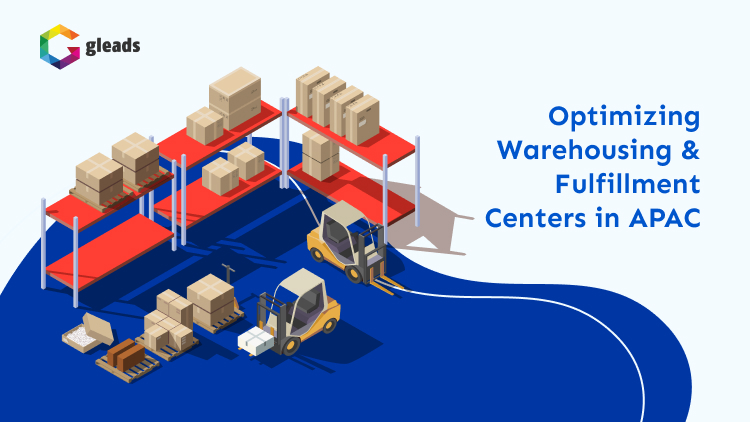
Strategic warehouse placement directly impacts delivery speed and costs. Warehouses located closer to key markets reduce transit times, lower shipping expenses, and enhance customer satisfaction. This is particularly crucial in the APAC region, where diverse geographies and infrastructural challenges demand precise logistics planning. Companies operating in densely populated cities like Hong Kong, Singapore, and Bangkok leverage well-positioned warehouses to fulfill orders more efficiently.
- The Rise of Micro-Fulfillment Centers (MFCs) in Urban Areas
With the e-commerce boom, micro-fulfillment centers (MFCs) have gained traction, enabling brands to meet rising consumer expectations for same-day or next-day delivery. MFCs are small-scale, automated warehouses located within urban areas, often integrated with retail stores or dark stores. These centers shorten delivery times while reducing last-mile logistics costs, making them an ideal solution for brands catering to APAC’s fast-growing online shopping market.
- Best Warehousing Solutions in Southeast Asia
Southeast Asian nations such as Thailand and Vietnam have become attractive warehousing locations due to lower operational costs and expanding e-commerce infrastructure. Businesses targeting the region should consider a hybrid model—combining centralized warehouses for bulk storage with decentralized MFCs for last-mile efficiency.
Automated Warehousing & Smart Storage Solutions
- Using Robotics & AI to Reduce Fulfillment Errors
Automation plays a pivotal role in modern warehouse optimization. Robotics and AI-powered systems streamline picking, packing, and sorting, significantly reducing human errors. Automated guided vehicles (AGVs) and robotic arms enable higher accuracy, while AI-driven predictive analytics enhance inventory forecasting, ensuring businesses maintain optimal stock levels.
- Implementing a Just-in-Time (JIT) Inventory Model
A Just-in-Time (JIT) inventory model minimizes excess stock while ensuring timely replenishment based on demand forecasts. This approach is particularly beneficial for APAC businesses facing high real estate costs. By integrating JIT with AI-driven supply chain management, companies can reduce inventory holding costs while maintaining service reliability.
Case Study: A fashion e-commerce brand adopted an AI-driven warehouse management system (WMS) to scale its operations. By leveraging robotics and data-driven forecasting, the company reduced order processing times by 40% and fulfillment errors by 30%.
Partnering with 3PL & Fulfillment Providers
Outsourcing fulfillment to third-party logistics (3PL) providers enables businesses to scale efficiently. 3PL partners offer warehousing, inventory management, and last-mile delivery solutions, reducing operational burdens and allowing companies to focus on core business activities.
Selecting the right 3PL partner involves evaluating factors such as:
- Network coverage and warehouse locations
- Technological capabilities (e.g., real-time tracking, AI-powered analytics)
- Service flexibility and scalability
- Proven track record in the APAC region
With a network of strategically placed warehouses, AI-driven inventory management, and seamless cross-border logistics, GLEADS ensures faster, cost-effective, and scalable fulfillment solutions tailored to the region’s dynamic e-commerce landscape.
Cross-Border Shipping & Last-Mile Delivery Solutions
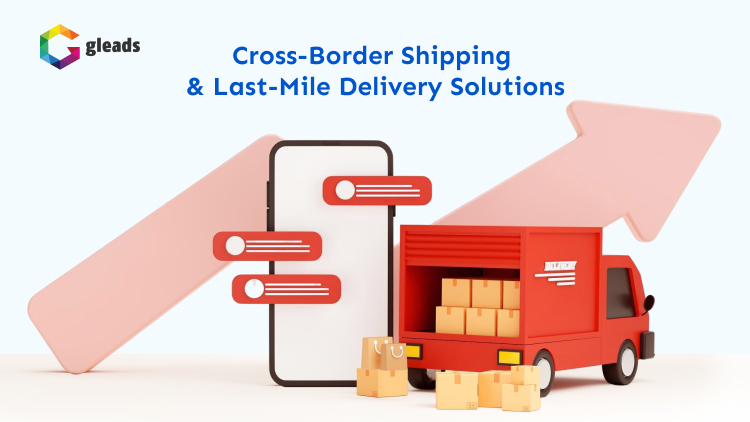
In the rapidly evolving global marketplace, cross-border shipping and last-mile delivery solutions play a critical role in ensuring efficient and cost-effective logistics. Businesses must navigate a complex network of regulations, customs requirements, and transportation logistics to provide seamless international delivery experiences for their customers.
Overcoming Cross-Border Logistics Barriers
Expanding into international markets presents significant logistical challenges, especially in the Asia-Pacific (APAC) region, where each country has distinct customs and tax regulations. Businesses must navigate complex import duties, tariffs, and compliance requirements in markets such as China, Japan, and Southeast Asia. Understanding these rules and leveraging automated customs documentation can prevent costly delays.
Shipping costs also play a crucial role in cross-border logistics. Businesses must balance cost and speed while managing tariffs and import fees. Consolidation strategies, such as grouping shipments, can help reduce costs by maximizing shipping efficiency.
Choosing the Right Shipping Carriers & Methods
Selecting the right shipping method is essential for balancing speed and cost-efficiency. Businesses must choose between express and economy shipping based on delivery urgency, product type, and customer expectations.
- Express Shipping: Ideal for high-value or time-sensitive products, express shipping options from providers like DHL Express and FedEx offer rapid delivery but come at a premium price.
- Economy Shipping: Suitable for cost-conscious businesses, economy shipping options provided by SF Express and Ninja Van ensure affordability but often involve longer transit times.
Hybrid fulfillment models, which combine multiple shipping methods and warehouses across different regions, enhance cost efficiency and delivery speed. For instance, utilizing a fulfillment center in Hong Kong for APAC deliveries ensures faster shipping while minimizing customs-related delays.
Last-Mile Delivery Innovations in Asia
The final leg of delivery—often the most expensive and time-sensitive—requires innovative solutions to meet rising e-commerce demands. In Asia, last-mile logistics are evolving rapidly through technology-driven advancements:
- Drone Deliveries & Smart Lockers: Countries like China and Japan are leading the adoption of drone deliveries, reducing delivery times in urban and remote areas. Smart lockers, such as those implemented by Alibaba’s Cainiao, allow customers to retrieve packages at their convenience, minimizing missed deliveries.
- Real-Time Tracking & AI Routing: AI-powered logistics platforms optimize delivery routes based on real-time traffic data, ensuring faster deliveries. Companies like GrabExpress and Lalamove use AI to allocate orders efficiently, reducing delays and enhancing operational efficiency.
- Enhancing Customer Experience with Smart Logistics: Digital entrepreneurs can differentiate their businesses by offering flexible delivery options, same-day shipping, and real-time notifications. Implementing AI-driven chatbots for customer support can further improve transparency and customer satisfaction.
Leveraging Technology to Scale E-Commerce Logistics
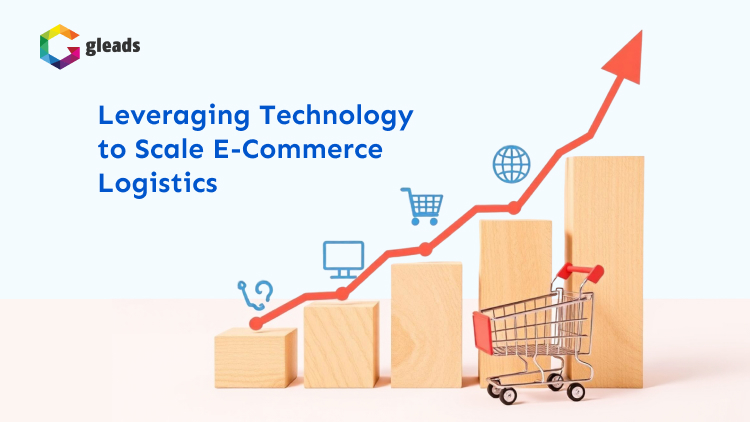
The rapid growth of e-commerce has placed immense pressure on logistics operations, demanding faster delivery times, optimized supply chains, and greater transparency. To meet these challenges, businesses are increasingly leveraging AI, automation, blockchain, and sustainable practices. These technologies not only enhance efficiency but also improve customer experience and operational scalability.
AI, Automation & Blockchain in E-Commerce Logistics
- AI-Powered Demand Forecasting & Inventory Automation
Artificial intelligence (AI) is transforming e-commerce logistics by enabling precise demand forecasting and inventory automation. AI-driven systems analyze historical sales data, customer preferences, and market trends to predict demand with high accuracy. This minimizes stockouts and overstock situations, ensuring businesses maintain optimal inventory levels. Companies like Amazon and Alibaba leverage AI-powered warehouse management systems (WMS) to automate order processing, reducing manual labor and errors.
Additionally, robotics is revolutionizing warehouse operations by enhancing picking, packing, and sorting efficiency. Autonomous mobile robots (AMRs) navigate warehouses, handling heavy loads and optimizing order fulfillment. By integrating AI with robotics, businesses can accelerate processing times and enhance customer satisfaction with faster deliveries.
- The Role of Blockchain in Supply Chain Transparency
Blockchain technology is playing a crucial role in enhancing supply chain transparency. By maintaining a decentralized, tamper-proof ledger, blockchain ensures that every transaction along the supply chain is recorded and accessible to stakeholders. For instance, a global coffee brand can use blockchain to track beans from the farm to the consumer, verifying authenticity and ethical sourcing. In the e-commerce sector, this technology reduces fraud, streamlines compliance, and strengthens trust between sellers and buyers.
- Smart Contracts for International Shipping Efficiency
Smart contracts, powered by blockchain, are automating international shipping processes. These self-executing contracts enforce terms and conditions without intermediaries, reducing paperwork and delays. When integrated with logistics operations, smart contracts trigger payments, customs declarations, and shipment updates automatically. Companies like Maersk and IBM’s TradeLens platform use blockchain-based solutions to improve efficiency in cross-border logistics, cutting down shipping delays and administrative costs.
E-Commerce Logistics SaaS: What Works Best?
- Best Inventory & Logistics SaaS Platforms for APAC Sellers
The Asia-Pacific (APAC) region has seen a surge in e-commerce activity, driving demand for efficient logistics software-as-a-service (SaaS) solutions. Platforms like ShipStation, TradeGecko, and Zoho Inventory offer seamless inventory management and order processing. These SaaS solutions integrate with multiple sales channels, helping APAC sellers optimize their logistics operations without investing in costly infrastructure.
- How Integrated Logistics Software Improves Multi-Channel Order Management
E-commerce businesses selling across multiple platforms—such as Shopee, Lazada, and Shopify—require integrated logistics solutions for smooth operations. Logistics SaaS platforms centralize order management, ensuring real-time inventory tracking and automated shipping label generation. This reduces errors, prevents overselling, and improves customer satisfaction by providing accurate delivery timelines.
GLEADS is a leading provider of tailored SaaS solutions for logistics companies. By integrating AI-driven analytics, GLEADS helps businesses optimize delivery routes, reduce fuel consumption, and enhance last-mile delivery efficiency. Our software automates order processing, ensuring seamless communication between warehouses, shipping carriers, and e-commerce platforms.
Sustainability in Logistics: A Growing Trend
- The Rise of Eco-Friendly Packaging & Carbon-Neutral Shipping
Sustainability is becoming a priority in e-commerce logistics, with businesses shifting towards eco-friendly packaging and carbon-neutral shipping. Companies like DHL and UPS are investing in biodegradable packaging materials and electric delivery fleets to minimize their environmental footprint. By implementing AI-driven route optimization, these firms reduce fuel consumption and carbon emissions, aligning with global sustainability goals.
- Sustainable Warehousing & Energy-Efficient Transportation
Green warehousing initiatives include energy-efficient lighting, solar-powered distribution centers, and automated temperature control systems. For example, Amazon has adopted solar energy in its fulfillment centers, reducing reliance on fossil fuels. In transportation, firms are deploying electric and hydrogen-powered trucks to cut down emissions while ensuring efficient delivery services.
- How APAC Brands Can Meet Consumer Demand for Green Logistics
Consumers in APAC are increasingly demanding sustainable logistics solutions. Brands that adopt eco-friendly practices—such as reusable packaging, carbon offset programs, and sustainable sourcing—gain a competitive edge. Logistics companies can implement blockchain technology to verify sustainability claims, ensuring transparency in the supply chain. By integrating technology with sustainability initiatives, APAC businesses can enhance customer trust and drive long-term growth in e-commerce logistics.
Next Steps: Work with GLEADS for a Winning Logistics Strategy
As e-commerce continues to evolve, businesses must refine their logistics strategies to stay competitive. This blog highlights the critical role of smart inventory management, optimized warehousing, and tech-driven shipping solutions in ensuring seamless operations. By focusing on these areas, brands can enhance fulfillment speed, reduce costs, and create an efficient, scalable logistics network that supports sustainable growth.
To achieve these goals, partnering with an experienced logistics provider is essential. GLEADS stands out as a strategic partner for e-commerce businesses looking to expand in the Asia-Pacific (APAC) region. With deep expertise in custom branding and growth strategies, GLEADS goes beyond conventional logistics services to offer tailored multi-channel marketing and supply chain solutions. This integrated approach ensures that brands not only optimize their logistics but also strengthen their market positioning and customer engagement.
Moreover, GLEADS has a proven track record of empowering digital entrepreneurs by streamlining operations, enhancing efficiency, and enabling seamless direct-to-consumer delivery. By leveraging cutting-edge technology and an extensive regional network, we help businesses navigate the complexities of cross-border logistics while maintaining cost efficiency and operational flexibility.
Conclusion
Scaling your e-commerce business in APAC requires a logistics partner that understands both operational efficiency and market dynamics. GLEADS provides customized solutions, from inventory optimization to tech-driven shipping, ensuring seamless fulfillment and accelerated growth. Our expertise in multi-channel marketing and supply chain management makes us the ideal partner for brands looking to expand strategically.
For brands aiming to scale in APAC, aligning with GLEADS means more than just improving supply chain efficiency—it’s about unlocking new opportunities for sustainable growth. Take the next step today and partner with us to build a winning logistics strategy tailored to your business success.
Ready to elevate your logistics strategy? Contact us today via service@gleadsglobal.com for a consultation and discover how GLEADS can streamline your operations and boost your success.
(1) https://www.grandviewresearch.com/horizon/outlook/e-commerce-logistics-market/asia-pacific
(2) https://www.researchandmarkets.com/reports/5767664/e-commerce-logistics-market-report
- The Growing Need for Smarter Logistics in APAC
- Inventory Management: The Foundation of E-Commerce Success
- Optimizing Warehousing & Fulfillment Centers in APAC
- Cross-Border Shipping & Last-Mile Delivery Solutions
- Leveraging Technology to Scale E-Commerce Logistics
- Next Steps: Work with GLEADS for a Winning Logistics Strategy
- Conclusion
Related Articles

The global international education market is becoming increasingly competitive, marked by the rapid rise in the number of schools and growing expectations from parents. According to ISC Research, by 2024, there were more than 14,000 international schools worldwide, serving 6.9 million students and generating USD 60.9 billion in annual tuition revenue. Notably, Vietnam has witnessed […]

As Vietnam enters 2025, the government continues to roll out policies promoting digital transformation — creating favorable conditions for businesses to unlock new market opportunities. This year marks a pivotal moment for the tourism industry, setting the stage for Vietnam to achieve its vision of becoming a leading economic sector by 2030. Amid this digital […]

The rapid rise of e-commerce in recent years has driven the beauty and fragrance industry to expand aggressively into online channels. While this shift opens up tremendous growth opportunities, it also intensifies competition. In this landscape, many brands face the pressing question: how can they sustainably increase online revenue without relying solely on paid advertising […]

Across Vietnam — from lush green rice fields to time-honored ancient villages — lie stories of history, tradition, and cultural pride passed down through generations. These values form an invaluable foundation for tourism, helping Vietnam emerge as a distinctive destination on the global travel map. According to the Director General of the Vietnam National Administration […]

According to a recent HSBC survey, Vietnamese parents are willing to allocate nearly 50% of their household spending toward their children’s education. At the same time, the number of international schools in Vietnam has increased by 5% over the past two years, placing the country among the top five globally alongside Japan. This rapid growth […]


