Building a Tourism Brand Through Culture and Events
- What is a Tourism Brand?
- The Significance of Building a Tourism Brand Through Events and Cultural Heritage
- Standards for Tourism Branding Through Heritage and Cultural Events
- Methods for Building a Tourism Brand Through Cultural Events and Heritage
- GLEADS Brand – Elevating Tourism Branding Through Cultural Events and Heritage
Across Vietnam — from lush green rice fields to time-honored ancient villages — lie stories of history, tradition, and cultural pride passed down through generations. These values form an invaluable foundation for tourism, helping Vietnam emerge as a distinctive destination on the global travel map.
According to the Director General of the Vietnam National Administration of Tourism, “The Strategy for Developing Cultural Industries toward 2020, with a Vision to 2030, identifies cultural tourism as a key pillar of the service economy.” To bring that vision to life, travel and hospitality businesses must creatively leverage cultural events to craft memorable experiences that set their brands apart in an increasingly competitive market.
However, integrating cultural heritage into a tourism brand is far from simple. It requires a deep understanding of how to present local identity in an engaging, authentic way while meeting the evolving expectations of today’s travelers. Striking that balance requires innovation, strategic planning, and a long-term vision — qualities essential for travel brands seeking to build emotional connections and lasting impressions through culture.
What is a Tourism Brand?
A tourism brand represents the unique image, values, and identity that a travel company or tourism organization builds and communicates to the public. It combines tangible elements — such as logos, slogans, and visual identity — with intangible aspects, including emotions, experiences, and trust, to create a strong impression and attract customers.
Building a tourism brand through cultural events and heritage allows travel businesses to showcase their identity by integrating local or national culture. These elements can be reflected in the brand’s visual identity, including logos, slogans, and marketing materials, telling a distinctive story that appeals to travelers through meaningful differentiation.
Aligning a brand with cultural heritage not only strengthens market positioning but also fosters a deep connection with customers. This strategy effectively enhances brand value, captures the attention of international travelers, and promotes sustainable growth in the tourism industry.
The Significance of Building a Tourism Brand Through Events and Cultural Heritage
Brand development goes beyond creating visuals; it is about reinforcing values and identity that leave a lasting impression on customers. Cultural events and heritage, deeply rooted in the history and spirit of local communities, provide a solid foundation for sustainable tourism branding strategies.
Current tourism trends and supportive policies further highlight the relevance of this approach, as travelers increasingly seek authentic, meaningful experiences connected to local culture and heritage.
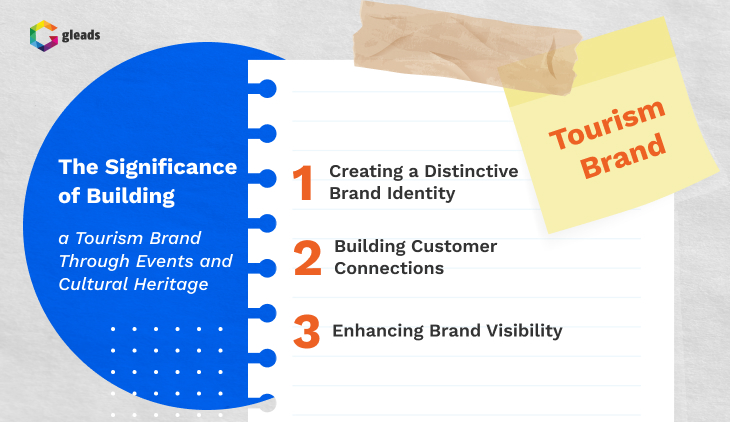
Creating a Distinctive Brand Identity
Cultural heritage and signature local events serve as key inspiration for developing a unique brand identity. Visual elements such as imagery, logos, color schemes, and marketing messages should reflect these cultural values, creating a recognizable and distinctive brand.
This approach helps businesses stand out in a competitive market while appealing to travelers who value experiential and exploratory tourism. For instance, a travel company could integrate iconic visuals from the Ha Long Carnival into marketing materials, turning the event into a signature brand element that attracts tourists while honoring local culture.
Building Customer Connections
Tourism today is shifting from passive enjoyment to immersive, culturally connected experiences. A brand identity that authentically reflects local heritage and communicates a compelling story becomes a bridge to build trust and forge emotional bonds with travelers.
This connection is particularly meaningful for international visitors who are eager to discover unique and authentic cultural aspects of the destination country.
Enhancing Brand Visibility
Cultural events provide not only opportunities to showcase services and products but also a platform to amplify brand visibility. Businesses can sponsor, collaborate on, or organize cultural events such as travel fairs or art exhibitions, creating direct engagement between the brand and the local community.
Such activities naturally embed the brand into customers’ minds, increasing recognition and reinforcing its presence within both local and international audiences.
Standards for Tourism Branding Through Heritage and Cultural Events
Building a tourism brand through cultural heritage and events is a strategic approach that helps travel businesses establish a unique identity and attract customers. By integrating cultural elements into a brand’s visual and experiential identity, businesses not only enhance brand recognition but also reinforce sustainable value and gain a competitive edge in the industry. GLEADS recommends the following criteria to shape a tourism brand through heritage and cultural events.
Distinctive Brand Messaging
To make a tourism brand stand out, it is essential to clearly define what the business aims to communicate through cultural events and heritage. This messaging not only positions the brand in the market but also serves as a connecting thread with customers.
The core message acts as a tool to attract travelers, build trust, and assert the brand’s position in a competitive market. In the tourism sector, emphasizing cultural value and unique events creates a strong, memorable impression.
To define the core message for a tourism brand via heritage and events, consider the following questions:
- What unique value does this heritage or event convey that the brand wants to highlight?
- What experiences or emotions do customers expect from this heritage or event?
- What aspects should the core message emphasize to differentiate from competitors?
- Does the content accurately reflect the business ethos and the cultural story of the heritage?
Memorable Brand Identity
For travel and tourism businesses, building a strong visual identity is crucial to asserting differentiation and creating a lasting impression. A brand identity should not only be aesthetically appealing but also clearly communicate the values, stories, and unique characteristics of the services offered.
GLEADS recommends focusing on the following elements when developing a brand identity:
| Element | Characteristics |
| Logo | The face of the brand must convey professionalism, reflect cultural identity, and be easily recognizable and memorable. |
| Color Palette | Should convey freshness, approachability, and accessibility. Colors must align with the values and messages the brand communicates through events and heritage promotion. |
| Typography | Fonts should be legible and support clarity of messaging. Marketing materials—brochures, posters, websites, and social media posts—should maintain consistent typography and color schemes to ensure easy recognition by customers. |
Example: Vietnam Airlines uses the Golden Lotus logo, the national flower of Vietnam, to reflect cultural values and national pride. All marketing campaigns, including airplane decorations and promotional materials, feature lotus imagery, reinforcing the brand impression among domestic and international travelers.
Brand Story Connected to Heritage
Rather than merely sharing information, brands should tell cultural stories that allow customers to experience the brand’s value in every journey.
To achieve this, the brand story must be closely linked to local cultural characteristics and notable events. A compelling story helps customers understand the deeper value behind each service while creating immersive experiences that evoke emotion and lasting memories.
For instance, a travel company in Huếmay develop a brand story centered on exploring the city’s cultural heritage. The visual identity could incorporate historic symbols and monuments such as the Imperial City or Thiên Mụ Pagoda, combined with colors and patterns reflecting the Nguyễn Dynasty. The story can also highlight cultural traditions, local beliefs, and historical events, such as the HuếRoyal Festivals or famous folk legends, allowing customers to experience the richness and depth of the region.
By telling the story authentically and emotionally, the business enables travelers not only to “visit” a destination but also to “experience” a part of history and culture, creating a distinctive competitive advantage.
Methods for Building a Tourism Brand Through Cultural Events and Heritage
In the highly competitive tourism industry, integrating cultural events and heritage into a branding strategy allows businesses to create a distinctive identity. This approach not only enhances brand recognition but also fosters emotional connections with customers, opening opportunities for sustainable growth. In the following sections, we explore effective methods to build a tourism brand through cultural events and heritage.
Identify Target Audience
The first step in building a strong tourism brand through events and heritage is to clearly define the target audience. Businesses need to understand who their potential customers are—international travelers or domestic tourists—and whether they have specific interests in cultural heritage.
For example, if organizing an event related to the Hát Xoan Festival, the target audience could be tourists who enjoy traditional Vietnamese music or scholars researching cultural heritage. This clarity helps businesses select the right events and craft messages that resonate with customer interests and preferences.
Connect the Brand with Events and Heritage
Once the target audience is identified, the business should design a brand identity that reflects the cultural value of the heritage being promoted. Logos, slogans, color palettes, and typography must be carefully chosen to create a strong connection between the brand and its heritage.
Example: A company hosting a Vietnamese Ao Dai Festival might use a slogan like “The Elegance of Vietnam” with a logo featuring the flowing lines of the Ao Dai combined with traditional motifs such as the lotus flower. Typography should be simple yet elegant, matching the graceful image of the Ao Dai.
Leverage Cultural Events
Participating in cultural events is an effective way to build and strengthen a tourism brand. Businesses can sponsor, co-host, or organize workshops, festivals, exhibitions, or cultural exchange programs related to heritage.
During these events, it is crucial to ensure the brand identity is prominently displayed across banners, backdrops, merchandise, and promotional videos. This visibility helps customers associate the brand with the cultural values represented by the event.
Enhance Team Capabilities
A well-trained team knowledgeable about local customs and culture can provide travelers with the most authentic experiences through storytelling. To achieve this, businesses should focus on soft skills training, including communication, storytelling, and the ability to convey engaging narratives about local heritage and traditions.
Additionally, keeping the team updated on new information about destinations, special events, and interesting cultural stories is vital. Staff who are informed and passionate can deliver engaging experiences that elevate the value of the customer journey.
GLEADS Brand – Elevating Tourism Branding Through Cultural Events and Heritage
In today’s competitive tourism market, building a unique and recognizable brand is key to standing out. GLEADS Brand offers tailored solutions for brand identity consulting, helping travel businesses strengthen their position through creative integration of cultural events and heritage.
With over 10 years of experience in digital communication, the GLEADS team has accumulated extensive expertise in developing and growing tourism brands. We apply creative strategies, leveraging cultural elements to enhance brand value while connecting businesses with customers sustainably through the following solutions:
- Brand Strategy Consulting: Conduct market and audience research to provide strategic guidance for an effective and suitable brand identity.
- Brand Story Development: Craft compelling brand stories that emotionally connect with customers by skillfully embedding cultural events and heritage elements.
- Brand Identity Design: Advise and design a complete brand identity system—including logo, color palette, and visual elements—to ensure distinctiveness and recognizability.
- Multi-Channel Campaign Implementation: Build marketing campaigns across various media platforms, communicating the brand’s core values widely while maintaining consistency and differentiation in every campaign.

Building a tourism brand through cultural events and heritage is a powerful strategy for leaving a lasting impression on customers. By integrating local cultural values and employing creative marketing strategies, businesses can not only enhance brand recognition but also expand market reach and attract diverse travelers.
GLEADS is committed to partnering with you in creating a sustainable tourism brand through specialized solutions. Contact us today for a free consultation!
- What is a Tourism Brand?
- The Significance of Building a Tourism Brand Through Events and Cultural Heritage
- Standards for Tourism Branding Through Heritage and Cultural Events
- Methods for Building a Tourism Brand Through Cultural Events and Heritage
- GLEADS Brand – Elevating Tourism Branding Through Cultural Events and Heritage
Related Articles

The global international education market is becoming increasingly competitive, marked by the rapid rise in the number of schools and growing expectations from parents. According to ISC Research, by 2024, there were more than 14,000 international schools worldwide, serving 6.9 million students and generating USD 60.9 billion in annual tuition revenue. Notably, Vietnam has witnessed […]
As Vietnam enters 2025, the government continues to roll out policies promoting digital transformation — creating favorable conditions for businesses to unlock new market opportunities. This year marks a pivotal moment for the tourism industry, setting the stage for Vietnam to achieve its vision of becoming a leading economic sector by 2030. Amid this digital […]

The rapid rise of e-commerce in recent years has driven the beauty and fragrance industry to expand aggressively into online channels. While this shift opens up tremendous growth opportunities, it also intensifies competition. In this landscape, many brands face the pressing question: how can they sustainably increase online revenue without relying solely on paid advertising […]

According to a recent HSBC survey, Vietnamese parents are willing to allocate nearly 50% of their household spending toward their children’s education. At the same time, the number of international schools in Vietnam has increased by 5% over the past two years, placing the country among the top five globally alongside Japan. This rapid growth […]

The financial sector is known for its dynamic nature and growing competitiveness. This constant evolution has prompted many businesses to accelerate their digital transformation, seeking effective strategies to attract and retain customers in an increasingly online world. In this context, Financial SEO has emerged as a key driver — not just an optimization tool, but […]


