Boost Online Sales Without Relying on E-Commerce Platforms
The global eCommerce market is on a steady rise, with revenue expected to reach $4.32 trillion in 2025 and expand at a CAGR of 8.02% (2025-2029), hitting $5.89 trillion by 2029. China remains the dominant player, projected to contribute $1.38 trillion in revenue by 2025. As the industry grows, the number of e-commerce users is also projected to surpass 3.6 billion by 2029.1
However, despite this rapid expansion, businesses face increasing challenges when relying solely on eCommerce platforms. High commission fees, intense competition, and limited brand control make it difficult for companies to maximize profits and establish a unique identity.
As a result, more brands seek direct-to-consumer (DTC) marketing strategies as an e-commerce alternative, moving beyond third-party marketplaces to drive online sales independently. This blog will provide insights on:
- Building a branded website for direct sales
- Leveraging SEO & content marketing to drive organic traffic
- Using social media & paid advertising for audience engagement
- Implementing email marketing & customer retention tactics
- Optimizing conversion rates & user experience
Whether you’re a startup or an established brand, these strategies will empower you to take control of your online revenue and achieve sustainable growth as a digital entrepreneur.
Why Move Beyond E-Commerce Platforms?
E-commerce platforms like Shopee, Lazada, TikTok Shop, and Amazon have long been the go-to channels for businesses looking to sell online. In Vietnam, Shopee alone holds 67.9% of the market share2, showing the dominance of third-party marketplaces. However, while these platforms offer wide exposure, relying solely on them has hidden risks and limitations that can restrict business growth.
Here are the limitations of selling on third-party platforms:
- High commission fees & operational costs
E-commerce platforms charge sellers transaction fees, listing fees, and commission rates that cut into profit margins. These costs can significantly impact pricing strategies and overall revenue from e-commerce for small businesses.
- Limited brand control & visibility
Selling on third-party platforms means businesses must comply with strict branding, marketing, and customer engagement policies. Many platforms restrict direct customer interaction, making building brand loyalty and establishing long-term relationships difficult.
- Intense competition & price wars
E-commerce marketplaces prioritize search algorithms based on pricing and promotions, making it challenging for smaller brands to compete against larger, well-funded sellers. Businesses often face constant price wars, leading to lower profit margins.
- Data ownership & customer insights
Platforms control customer data, limiting businesses’ ability to analyze buyer behavior, personalize marketing campaigns, and build direct relationships with their audience. Without access to customer insights, businesses struggle to create effective retention strategies.
To overcome these challenges, many businesses are now shifting towards owning their sales channels rather than relying solely on e-commerce platforms. GLEADS provides tailored solutions for businesses looking to break free from marketplace limitations. With expertise in brand communication, digital marketing, and e-commerce strategy, GLEADS helps brands:
- Build high-converting websites with optimized UX/UI.
- Develop strong SEO and content strategies to drive organic traffic.
- Maximize social media and digital advertising for brand visibility.
- Leverage AI-driven analytics to enhance customer experience and conversion rates.
By diversifying sales channels and taking control of their digital presence, businesses can achieve long-term growth, higher profitability, and stronger brand loyalty in an increasingly competitive online market.
Building a Strong Online Presence for Direct Sales
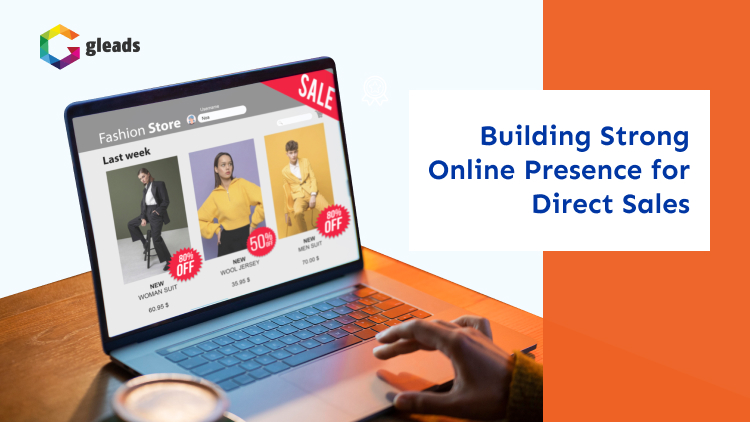
A well-developed strategy can significantly enhance brand visibility, customer engagement, and conversion rates. Let’s find out how to build an online brand for direct sales.
1. Developing a Branded Website
A branded website serves as the digital storefront for businesses, providing full control over branding, customer experience, and sales strategy. To maximize its effectiveness, businesses must focus on three key areas:
Website optimization (UI/UX, speed, mobile-friendliness)
A well-designed website should be visually appealing, easy to navigate, and responsive across all devices. Mobile-friendliness is critical, as a growing number of consumers shop via smartphones. Additionally, fast loading times enhance user experience and reduce bounce rates.
Essential pages for a successful website
Every DTC website should include the following pages:
- Homepage: Provides a clear overview of the brand, products, and unique value proposition.
- Product Pages: High-quality images, detailed descriptions, and customer reviews enhance trust and encourage conversions. Example: Apple’s product pages feature high-resolution images, detailed specifications, and user testimonials to build credibility.
- About Us: Builds credibility by sharing the brand’s story, mission, and values.
- Blog: Offers valuable content, boosts SEO rankings, and establishes authority in the industry.
- Contact Page: This makes it easy for customers to reach out for inquiries, support, or feedback.
SEO best practices for organic traffic
Search engine optimization (SEO) is essential for driving organic traffic to a website. Implementing effective SEO strategies ensures that potential customers can easily find the business online.
On-Page SEO
- Use keyword-rich titles, meta descriptions, and headers to improve search rankings.
- Optimize product descriptions and images to make them search-friendly.
- Ensure URL structures are clean and include relevant keywords.
Technical SEO
- Improve site speed to enhance user experience.
- Implement schema markup to help search engines understand content better.
- Ensure mobile optimization for seamless browsing on all devices.
2. Creating High-Quality Content for Authority & Engagement
Content marketing helps businesses establish credibility, attract visitors, and increase engagement.
Blogging and thought leadership
Regular blog posts that address industry trends, customer pain points, and expert insights position a brand as a trusted authority. High-quality, informative content increases website traffic and supports SEO efforts.
Example: HubSpot’s blog drives millions of visitors monthly by offering valuable marketing and sales insights.
Product storytelling and case studies
Effective storytelling allows businesses to connect with their audience emotionally. Sharing success stories, customer testimonials, and real-world use cases builds trust and drives conversions.
Example: GoPro showcases user-generated content featuring real customers using its cameras in extreme environments, boosting credibility and engagement.
Video Marketing
Videos are highly engaging and effective in explaining product benefits. Businesses can use:
- Tutorials to showcase product usage.
- Product demos to highlight features and benefits.
- Behind-the-scenes videos give customers insight into the brand’s values and production process.
Example: Dollar Shave Club’s viral video campaign helped the brand generate 12,000 orders within 48 hours of launch.3
3. Leveraging Email Marketing for Customer Retention
Email marketing is a powerful tool for nurturing leads, engaging customers, and driving repeat sales. Implementing strategic email campaigns helps businesses build long-term relationships with their audience.
Building an email list through lead magnets
A strong email list is crucial for direct communication with potential and existing customers. Effective methods to grow an email list include:
- Offering discounts, exclusive deals, or free resources in exchange for sign-ups.
- Using exit-intent popups to capture leads before they leave the site.
- Adding an opt-in checkbox at checkout to encourage customers to subscribe.
Personalization and segmentation strategies
Personalized emails generate higher engagement and conversion rates. Businesses should segment their email lists based on:
- Purchase history to recommend relevant products.
- Customer behavior, such as abandoned carts or browsing habits.
- Preferences to tailor promotions and content to individual interests.
Automated email flows
Automation streamlines email marketing efforts and ensures timely communication with customers. Essential automated email sequences include:
- Welcome series: Introduces new subscribers to the brand and offers incentives for first-time purchases.
- Abandoned cart recovery: Reminds customers of incomplete purchases and encourages them to complete their orders.
- Re-engagement campaigns: Target inactive subscribers with exclusive offers or new product updates.
Driving Traffic Without Relying on Marketplaces
To build a sustainable and independent online presence, businesses must implement effective strategies to drive traffic directly to their websites. Below are key approaches to achieve this goal.
1. Social Media Strategies for Brand Visibility
Choosing the right platforms
Not all social media platforms yield the same results for every business. Selecting the most suitable platform depends on the target audience, product type, and marketing objectives:
- Instagram & TikTok: Ideal for visually appealing products such as fashion, beauty, and home decor.
- Facebook: Effective for community building, customer engagement, and paid advertising.
- LinkedIn: Suitable for B2B businesses and professional services.
Organic engagement vs. Paid advertising
Building a strong organic presence on social media requires consistent posting, audience interaction, and value-driven content. Some key organic strategies include:
- Posting engaging visuals and stories. For example, a fitness apparel brand can share behind-the-scenes footage of product development or customer testimonials through Instagram Stories.
- Encouraging discussions through polls, Q&A sessions, and live streams. A skincare brand could host live Q&A sessions where experts answer customer concerns about different skin types and product suitability.
- Leveraging Instagram’s shoppable posts to direct users to purchase pages. A clothing brand can tag products in Instagram posts so users can instantly click and buy without leaving the app.
Paid advertising, on the other hand, accelerates reach and conversion. Facebook and Instagram ads allow businesses to target specific demographics, interests, and behaviors, ensuring messages reach potential buyers effectively.
Influencer collaborations and User-generated content
Influencers and brand ambassadors can amplify a brand’s reach. Partnering with niche influencers ensures authentic recommendations that drive engagement and sales. Additionally, encouraging user-generated content (UGC) builds trust and provides social proof. Running contests, giveaways, or featuring customer testimonials are effective ways to collect and showcase UGC.
2. SEO & Content Marketing for Sustainable Growth
Keyword optimization and search intent
SEO remains a fundamental driver of organic traffic. Understanding search intent and incorporating high-impact keywords into product pages, blogs, and landing pages helps businesses rank higher on search engines. Key practices include:
- Using relevant keywords in product descriptions and meta tags. For instance, an online bookstore might optimize a product page with keywords like “best self-improvement books for entrepreneurs.”
- Structuring content with clear headings and subheadings. A tech gadget retailer can write blog posts such as “Top 10 Wireless Earbuds for 2025” with well-organized sections, making it easier for readers and search engines to understand the content.
Ensuring mobile-friendliness and fast loading speeds. A study by Google found that 53% of mobile users abandon websites that take more than three seconds to load4, emphasizing the need for speed optimization.
Long-tail keywords and niche targeting
While short, high-competition keywords are difficult to rank for, long-tail keywords cater to specific audiences and have a higher conversion rate. Identifying niche markets and tailoring content accordingly enhances visibility and attracts highly interested buyers. For example, a pet supplies e-commerce site might target “best hypoallergenic dog food for small breeds” rather than just “dog food” to reach a more specific audience.
Guest posting and backlink building
Establishing domain authority through guest posting on reputable industry blogs helps drive referral traffic. Additionally, earning backlinks from authoritative websites boosts search engine rankings and brand credibility. Building relationships with bloggers, industry experts, and media outlets can accelerate this process.
3. Paid Advertising Beyond E-Commerce Ads
Google Ads: Search, Display, and Shopping campaigns
Google Ads provides an effective way to attract buyers with high purchase intent. Businesses can leverage:
- Search Ads target users actively looking for specific products. For example, a home security brand can run ads for “best smart doorbell with a camera” to reach users searching for this solution.
- Display Ads to increase brand awareness through visual placements on relevant websites. A travel agency promoting vacation packages could use display ads on popular travel blogs and forums.
- Shopping Ads to showcase products with images, prices, and direct purchase links. For example, an online shoe store can display product images with price comparisons, enticing users to click and buy directly from Google search results.
Facebook & Instagram Ads for Direct-to-Consumer (DTC) brands
Beyond organic strategies, running targeted ad campaigns on Facebook and Instagram helps businesses capture potential customers at different stages of the buyer’s journey. Best practices include:
- A/B testing ad creatives to determine the most effective messaging. For instance, a skincare brand can test two different ad copies—one emphasizing “hydration benefits” and another focusing on “anti-aging properties”—to see which resonates more with their audience.
- Utilizing carousel ads to highlight multiple products. An online furniture store might showcase different room setups with various furniture styles, allowing users to swipe through options before clicking to buy.
- Optimizing landing pages to ensure a seamless shopping experience. If an ad promotes a discount, the landing page should reflect the same offer to maintain consistency and reduce bounce rates.
Retargeting strategies to convert visitors into buyers
Many first-time visitors browse a website but leave without making a purchase. Businesses can use Facebook Pixel to track visitors and create personalized ads based on their browsing behavior. Retargeting ads help re-engage these potential customers through personalized offers and reminders. Some effective tactics include:
- Displaying dynamic ads featuring products a visitor previously viewed. For example, if a user browses a specific pair of sneakers but doesn’t buy them, they might later see an ad featuring those exact sneakers on their Instagram feed.
- Offering limited-time discounts to encourage conversions. An online electronics retailer might display a “Flash Sale – 24 Hours Only” ad to entice hesitant buyers to complete their purchases.
- Using email retargeting to remind customers of abandoned carts. For instance, a fashion brand might send an email saying, “Still thinking about these jeans? Get 10% off if you complete your order today!”
Optimizing the Customer Journey for Higher Conversions
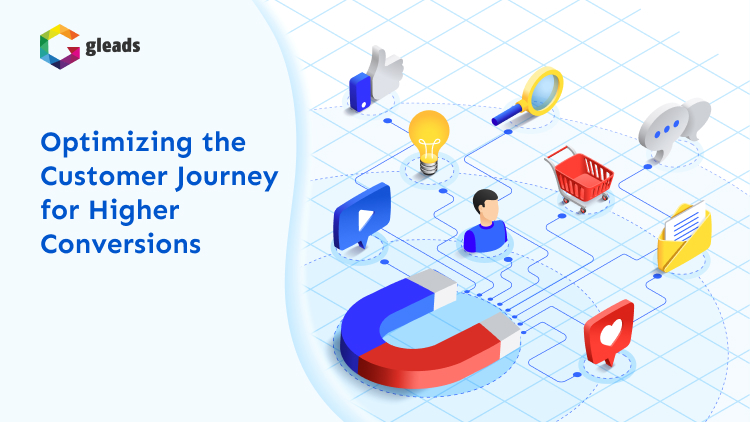
By streamlining the checkout process, personalizing the shopping experience, and leveraging social proof, businesses can create a seamless and engaging experience that encourages customers to complete their purchases. Here’s how to optimize key touchpoints in the customer journey for higher conversions.
1. Seamless Checkout & Payment Solutions
One of the primary reasons customers abandon their carts is a complex or inconvenient checkout process. Simplifying this stage can significantly improve conversion rates.
- Offer multiple payment options: Customers have diverse preferences when it comes to payment. Providing multiple options such as credit cards, digital wallets (Apple Pay, Google Pay), and Buy Now, Pay Later (BNPL) solutions ensures that shoppers can choose the most convenient method. For example, Klarna’s BNPL service has significantly increased conversion rates for many DTC e-commerce brands by offering flexible payment plans.
- Implement one-page checkout: Reducing the number of steps required to complete a purchase helps decrease friction. A one-page checkout, where users can input all their information in a single view, enhances user experience and reduces drop-off rates. Shopify’s one-click checkout, “Shop Pay,” has been shown to increase checkout speed by 60%, resulting in higher completion rates.
- Cart abandonment solutions: Exit-intent popups, reminder emails, and limited-time discount offers can entice customers to complete their purchases. For instance, ASOS uses automated email reminders with a discount incentive to recover abandoned carts, leading to a 50% increase in recovered sales.5 Retargeting strategies also help re-engage visitors who have left their carts behind.
2. Customer Experience & Personalization
A personalized shopping experience enhances customer engagement and builds brand loyalty. By leveraging AI-driven tools, businesses can create more relevant interactions with shoppers.
- AI-powered chatbots and real-time support: Offering real-time assistance through AI chatbots or live chat helps answer customer queries instantly. This reduces frustration and increases the likelihood of a completed purchase.
- Personalized product recommendations: Using browsing history, purchase behavior, and customer preferences, businesses can suggest relevant products that align with shoppers’ interests. Amazon excels in this area by using AI to recommend products based on past purchases, contributing to a significant portion of its sales.
- Loyalty programs and exclusive offers: Implementing rewards programs encourages repeat purchases. Offering points, exclusive discounts, and early access to sales incentivizes customers to stay engaged with the brand. Starbucks’ Rewards Program is a prime example, where members earn points for purchases and redeem them for free drinks, leading to increased customer retention.
3. Building Trust with Social Proof & Reviews
Trust is a significant factor in a customer’s purchasing decision. Showcasing real experiences and leveraging third-party endorsements can strengthen credibility.
Encouraging customer reviews and testimonials: Positive reviews influence potential buyers by providing authentic insights into product quality and satisfaction. Encourage customers to leave reviews post-purchase and feature them prominently on product pages. For instance, Glossier highlights customer reviews on its product pages, reinforcing trust and boosting sales.
- Showcasing real user experiences: Case studies, before-and-after photos, and user-generated content help validate a product’s effectiveness. Beauty brands like Fenty Beauty and Maybelline encourage users to share makeup looks on social media, creating an authentic and persuasive marketing strategy.
- Leveraging third-party endorsements and PR: Collaborating with industry influencers, media publications, and trusted review sites enhances brand credibility. Endorsements from reputable sources can persuade hesitant buyers to take action.
Scaling and Sustaining Growth as a Digital Entrepreneur
In the ever-evolving digital landscape, entrepreneurs must adopt innovative strategies to scale their businesses while ensuring sustainable growth. Let’s explore key tactics digital entrepreneurs can implement to drive growth effectively.
1. Expanding Into New Sales Channels
Diversifying sales channels is an essential strategy for scaling a digital business. By exploring multiple revenue streams, entrepreneurs can reduce dependence on a single platform and reach a broader audience.
Wholesale & B2B opportunities
While direct-to-consumer (DTC) sales dominate the e-commerce landscape, wholesale and business-to-business (B2B) partnerships offer substantial growth potential. Partnering with retailers, distributors, or corporate clients can drive high-volume sales, stabilize cash flow, and expand brand visibility. For example, the digital-first skincare brand, The Ordinary, has successfully scaled by securing retail partnerships with chains like Sephora and Ulta.
Subscription models and memberships
Subscription-based models create predictable revenue streams and increase customer lifetime value (LTV). Companies like Birchbox and Dollar Shave Club have revolutionized their industries by offering convenient, recurring deliveries. Entrepreneurs can implement tiered membership programs, exclusive discounts, or premium content access to enhance customer retention and brand loyalty.
Selling via live streaming and webinars
Live commerce and webinars have emerged as powerful sales tools, particularly in markets like China, where platforms like Taobao Live drive billions in revenue. Engaging, real-time interactions enable brands to demonstrate products, answer customer questions, and create a sense of urgency with limited-time offers. Digital entrepreneurs should leverage platforms like Instagram Live, TikTok Shop, and Facebook Live to tap into this trend and enhance customer engagement.
2. Leveraging Data & Analytics for Continuous Improvement
To sustain long-term growth, businesses must adopt a data-driven approach. By tracking key performance metrics and employing predictive analytics, entrepreneurs can make informed decisions that optimize performance.
Key performance metrics to track
Tracking the right metrics provides insights into business performance and areas for improvement. Essential metrics include:
- Conversion Rate: The percentage of visitors who complete a desired action, such as making a purchase.
- Customer Acquisition Cost (CAC): The cost associated with acquiring a new customer.
- Lifetime Value (LTV): The total revenue a business can expect from a single customer over their engagement period. By continuously monitoring these metrics, entrepreneurs can refine their marketing strategies and maximize return on investment (ROI).
A/B Testing strategies for websites and ads
A/B testing (or split testing) is an invaluable method for optimizing website elements, ad creatives, and conversion funnels. By testing variations of headlines, calls to action (CTAs), and landing pages, businesses can determine what resonates best with their audience. For instance, an e-commerce store might test two versions of a product page—one with a video demonstration and another with a static image—to identify which drives higher conversions.
Using AI tools for predictive analytics
Artificial intelligence (AI) is transforming digital entrepreneurship by enabling predictive analytics. AI-powered tools can analyze customer behavior, forecast demand, and personalize marketing campaigns. For example, e-commerce giants like Amazon use AI-driven recommendation engines to suggest products based on browsing history and past purchases, significantly boosting sales.
How GLEADS Helps Digital Entrepreneurs Succeed
In today’s highly competitive digital landscape, success requires more than just a great product—it demands a strategic approach to branding, marketing, and customer engagement. GLEADS stands out as a trusted partner for digital entrepreneurs, offering tailored solutions that drive sustainable growth. With expertise in branding and multi-channel marketing, we’re ready to empower businesses to scale effectively.
Custom branding and growth strategies
A strong brand identity is essential for standing out in crowded markets. GLEADS specializes in developing customized branding strategies that align with each business’s unique vision and target audience. From crafting compelling brand narratives to designing visually cohesive assets, we ensure that every touchpoint resonates with customers.
Beyond aesthetics, our team focuses on long-term growth strategies. By analyzing market trends and consumer behaviors, GLEADS helps entrepreneurs refine their positioning, optimize pricing strategies, and enhance customer retention. This comprehensive approach ensures brands establish credibility and maintain a competitive edge.
Multi-channel Marketing campaigns tailored for global businesses
The digital landscape nowadays presents unique opportunities and challenges, requiring localized strategies to maximize impact. GLEADS excels in creating multi-channel marketing campaigns designed specifically for the international market, leveraging platforms such as:
- Social Media Advertising – Targeted Facebook, Instagram, and WeChat campaigns drive brand awareness and customer engagement.
- Search Engine Optimization (SEO) and Paid Search – A combination of organic and paid search strategies ensures brands rank highly on Google and other search engines.
- Influencer and Affiliate Marketing – Collaborations with key opinion leaders (KOLs) help brands gain credibility and reach a wider audience.
- Live Streaming and Webinars – Interactive content formats enhance customer engagement and accelerate sales.
By integrating these channels into a cohesive strategy, GLEADS ensures maximum reach and conversion potential, allowing entrepreneurs to build a loyal customer base.
GLEADS has helped numerous entrepreneurs transition from concept to thriving DTC brands. Its data-driven approach enables businesses to scale efficiently while optimizing marketing budgets. With a deep understanding of digital commerce, consumer behavior, and market dynamics, GLEADS equips digital entrepreneurs with the tools and expertise to succeed. Whether launching a new brand or scaling an existing business, we provide the strategic foundation for long-term success.
Conclusion
Building a successful online business without relying on e-commerce platforms is entirely possible with the right strategy. By owning your sales process—through a branded website, multi-channel marketing, and direct customer engagement—you gain full control over pricing, customer data, and long-term growth. Instead of depending on third-party platforms, businesses can create a sustainable and profitable model tailored to their unique brand identity.
Now is the time to take action. Explore direct sales solutions, build stronger customer relationships, and maximize your revenue potential. GLEADS is here to help. With our expertise in custom branding and growth strategies, we provide tailored solutions that drive real results.
Ready to boost your online sales? Contact us today for a personalized consultation and discover how we can help you scale your business successfully. Reach out via service@gleadsglobal.com and take the first step toward long-term success!
(1) https://www.statista.com/outlook/emo/ecommerce/worldwide
(2) https://thoibaotaichinhvietnam.vn/online-sales-drive-business-success-to-new-heights-171100.html
(3) https://www.nytimes.com/2013/04/11/business/smallbusiness/dollar-shave-club-from-viral-video-to-real-business.html
(4) https://www.thinkwithgoogle.com/consumer-insights/consumer-trends/mobile-site-load-time-statistics/
(5) https://www.saleshub.ca/real-world-personalization-marketing-that-actually-drives-revenue/
Related Articles

The global international education market is becoming increasingly competitive, marked by the rapid rise in the number of schools and growing expectations from parents. According to ISC Research, by 2024, there were more than 14,000 international schools worldwide, serving 6.9 million students and generating USD 60.9 billion in annual tuition revenue. Notably, Vietnam has witnessed […]
As Vietnam enters 2025, the government continues to roll out policies promoting digital transformation — creating favorable conditions for businesses to unlock new market opportunities. This year marks a pivotal moment for the tourism industry, setting the stage for Vietnam to achieve its vision of becoming a leading economic sector by 2030. Amid this digital […]

The rapid rise of e-commerce in recent years has driven the beauty and fragrance industry to expand aggressively into online channels. While this shift opens up tremendous growth opportunities, it also intensifies competition. In this landscape, many brands face the pressing question: how can they sustainably increase online revenue without relying solely on paid advertising […]
Across Vietnam — from lush green rice fields to time-honored ancient villages — lie stories of history, tradition, and cultural pride passed down through generations. These values form an invaluable foundation for tourism, helping Vietnam emerge as a distinctive destination on the global travel map. According to the Director General of the Vietnam National Administration […]

According to a recent HSBC survey, Vietnamese parents are willing to allocate nearly 50% of their household spending toward their children’s education. At the same time, the number of international schools in Vietnam has increased by 5% over the past two years, placing the country among the top five globally alongside Japan. This rapid growth […]


