A branding campaign structure for the packaged food industry
The processed food industry is experiencing strong growth, with the global market projected to reach USD 450.01 billion by 2029, growing at a CAGR of 4.16% from 2024 to 2029. In Vietnam, this sector is also expected to reach VND 872,916 billion by 2027, creating significant opportunities for businesses in the packaged food field.
Moreover, the rise of digital technology has opened up new ways for packaged food brands to connect with consumers through online platforms such as social media, websites, and influencer marketing. However, to ensure campaign effectiveness, businesses must thoroughly understand the market, identify the right target audience, and optimize their communication content.
This article explores the core structure of an effective branding campaign, focusing on strategies that help packaged food businesses engage customers and strengthen their competitive advantage in an evolving market.
1. Overview of Vietnam’s Processed Food Market
Vietnam’s processed food market has shown steady growth over the 12 months of 2024, reaching 2.1%. Among domestic players, Masan Consumer stands out with a sustainable growth strategy focusing on two core segments, seasonings and convenient foods, which together account for nearly 70% of the company’s total revenue. In 2025, these segments are expected to remain the key growth drivers, with projected increases of 8% and 16%, respectively.
As busy lifestyles continue to shape consumer behavior, demand for ready-to-eat and processed foods emphasizing convenience is rising. Moreover, consumers are becoming more attentive to products with clear origins and advanced processing technologies that preserve natural flavors. Premium product lines featuring improved formulations, such as those catering to dietary needs, organic preferences, or plant-based proteins, are also gaining popularity.
In response to these shifts, businesses in the industry must continually enhance product quality, adopt eco-friendly packaging, and comply with international standards to strengthen their competitive edge both domestically and in export markets.
2. Consumer behavior in Vietnam’s processed food industry
2.1. Health and nutrition prioritization
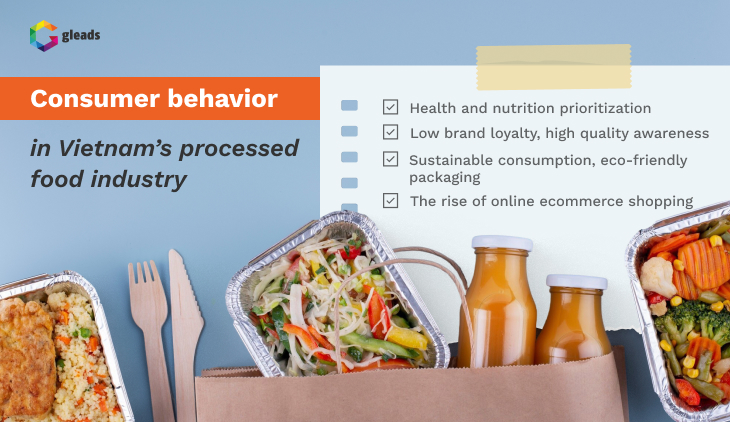
In recent years, the focus on health and nutrition has become one of the top criteria influencing food choices, especially within the processed food sector. Consumers are increasingly willing to spend more on organic, low-sugar, preservative-free, or nutrient-rich products that are high in protein and fiber.
According to AC Nielsen, up to 86% of Vietnamese consumers prioritize organic products for their daily meals, citing their nutritional value, safety, and minimal environmental impact. At the same time, plant-based foods and functional foods are witnessing rapid growth. Forecasts indicate that Vietnam’s plant-based meat market will reach USD 500 million by the end of 2025, growing at an annual rate of 11.85% between 2021 and 2025.
These figures reflect the rising demand for healthier and eco-friendly products, which is reshaping the way processed food brands design and execute their branding campaigns to align with evolving consumer expectations.
2.2. Low brand loyalty, high quality awareness
The processed food market is becoming increasingly dynamic, with fierce competition among brands in terms of price, quality, and product experience. Today’s consumers are less loyal to specific brands, readily switching to alternatives that offer better quality or more competitive pricing.
According to a McKinsey survey, more than 70% of consumers are willing to try new brands if their current choice fails to meet expectations for quality or value. This highlights a growing trend of declining brand loyalty, as consumers are now faced with a wide range of appealing alternatives.
Several key factors influence purchase decisions in the current market:
- Nutritional value and food safety: Consumers pay close attention to ingredient sources, nutritional content, and transparency in labeling. Products that are certified safe, free from preservatives, and free of harmful additives are increasingly favored.
- Convenience in storage and use: Products that are easy to store, feature practical and user-friendly packaging, and offer flexibility in usage hold a competitive edge. Innovative packaging design that enhances the user experience while extending product shelf life is particularly valued.
- Online user reviews and social influence: Feedback from online communities strongly impacts purchasing decisions, especially as e-commerce and social shopping continue to grow. Consumers tend to consult reviews, discussion groups, and social media recommendations before making a purchase.
2.3. Sustainable consumption, eco-friendly packaging
According to a report by the IFC and the World Bank, Vietnam loses nearly USD 3 billion annually due to unrecycled plastic waste. Acknowledging this issue, consumers are gradually shifting their purchasing habits, promoting environmental awareness by choosing products with eco-friendly packaging that help reduce plastic waste.
Leading corporations are also taking active steps in this direction. For instance, Nestlé aims to reduce waste by 20% by 2025, ensure that 100% of its packaging is recyclable or reusable, and cut virgin plastic use by one-third, targeting zero plastic emissions by 2050. Similarly, Coca-Cola has pledged that by 2035, 35-40% of its primary packaging will be made from recycled materials, while collecting 70-75% of bottles and cans equivalent to what is released into the market.
Overall, the trend toward sustainable consumption and green packaging is reshaping the processed food industry. Businesses are increasingly adopting recyclable materials and skillfully communicating these values to consumers, thereby building trust and reinforcing a responsible brand image in a sustainability-driven market.
2.4. The rise of online ecommerce shopping
The rapid growth of omnichannel shopping and e-commerce is reshaping consumer behavior in Vietnam. According to a Techcombank report, around 72% of Gen Z consumers shop online regularly, reflecting a clear shift in market dynamics. The convenience of digital platforms, combined with the trend of deal-hunting and fast delivery services, has made e-commerce a crucial channel for processed and ready-to-eat products.
In response, businesses need to adopt omnichannel sales strategies that integrate offline retail stores with online platforms to expand customer reach. Building a seamless and consistent shopping experience across channels is now a key factor in enhancing competitiveness and brand presence in Vietnam’s increasingly crowded market.
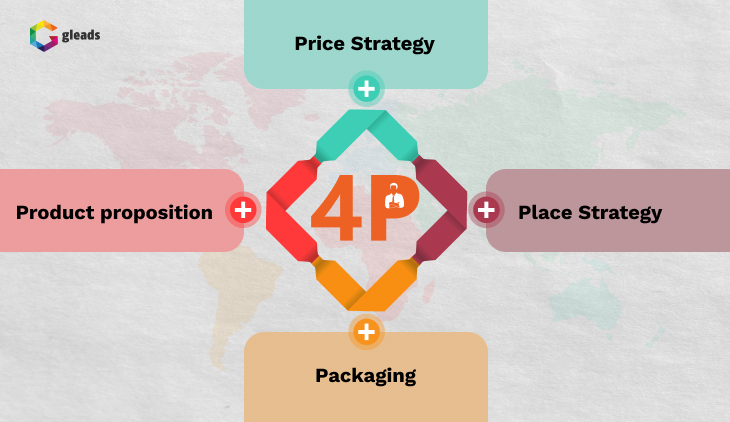
3. The 4P branding strategy for the processed food industry
3.1. Product proposition
This is the core step that allows processed food brands to leave a lasting impression on consumers. In a competitive and rapidly evolving market, businesses must deeply understand consumer needs to identify the right market segment, define their competitive advantage, and shape their product development strategy.
The first and most essential requirement is comprehensive consumer and market research, which lays the foundation for key decisions in product promotion and brand communication.
- Market segmentation & core value definition: Is your product positioned in the mass, mid-range, or premium segment? Does your competitive edge come from quality, nutrition, or sustainability?
- Target audience identification: Are you targeting general consumers, special dietary groups (such as vegan, organic, or low-calorie), or family segments?
- Competitor analysis: Study how major brands position themselves, identify market gaps, and craft a strategy that highlights your unique differentiation.
A notable case study in the processed food industry is Oatly, the oat milk brand that achieved remarkable success through bold and sustainable positioning. Rather than simply presenting itself as an alternative to cow’s milk, Oatly positioned its product as an environmentally friendly solution. With the slogan “It’s like milk, but made for humans” the brand emphasizes that oat milk generates four times less CO₂ emissions and uses 13 times less water than dairy milk.
Instead of following the conventional approach of promoting nutritional benefits like most plant-based milk brands, Oatly leveraged the green consumption trend and a distinctive communication style to stand out. Its success demonstrates that clear and strategic brand positioning is the key to creating a competitive advantage in the processed food industry.
3.2. Price strategy
Pricing is more than just a number on the label, it’s a statement of how a brand wants to be perceived in the market. In the competitive packaged food industry, a well-planned pricing strategy is crucial to balance profitability, competitiveness, and customer affordability.
- Production and distribution costs: A product’s price must cover all related expenses, from raw materials and packaging to logistics and warehousing. Brands that effectively control their supply chain can maintain competitive prices without compromising on profit margins.
- Market segmentation and target consumers: Defining the right market segment (mass, mid-range, or premium) helps businesses align pricing with consumer purchasing power and preferences. For instance, organic or health-oriented products can justify higher prices as they cater to consumers seeking superior quality and health benefits.
- Competitor analysis: Studying competitors’ pricing for similar categories helps brands identify their positioning on the pricing map. If a product offers clear differentiation or superior benefits, premium pricing may strengthen its perceived value; otherwise, competitive pricing can help attract more customers.
- Business objectives: Each pricing model should reflect the company’s goals, whether it’s increasing market share, maximizing profit, or entering a new market. Flexibility is key to sustaining growth under changing market conditions.
Common pricing strategies in the packaged food sector:
- Skimming pricing: Set a high price for new or innovative products to capture early adopters, then gradually lower it to reach a wider market.
- Penetration pricing: Launch products at a low price to quickly gain market share before raising prices once brand loyalty is established.
- Bundle pricing: Combine multiple products into a value pack to encourage bulk purchases.
- Psychological pricing: Use prices like $0.99 instead of $1.00 to create a perception of affordability.
Case study: Vinamilk – Flexible pricing to maintain market leadership
Vinamilk exemplifies a multi-tiered pricing approach. Its domestic price averages VND 15,000 per unit, about 33% lower than in Thailand due to lower operational costs. The brand offers a wide range of products, from affordable condensed milk to premium organic A2 milk, targeting diverse customer segments. When raw material prices fluctuate, Vinamilk adapts by adjusting product sizes, launching promotions, and expanding distribution channels instead of applying blanket price hikes, ensuring both market stability and consumer trust.
3.3. Place Strategy
Distribution is not merely about delivering products to consumers — it’s a key element that defines how a brand is experienced and perceived. In the packaged food industry, an effective distribution strategy determines how well a brand reaches its target audience, enhances the shopping experience, and achieves long-term market growth.
As consumer demand shifts toward convenience and accessibility, being present across multiple sales channels is essential for brands to remain competitive and relevant.
- Expanding traditional retail networks: Despite the rise of e-commerce, Vietnam’s consumer market still heavily relies on offline retail. Collaborating with supermarket chains such as VinMart, Bách Hóa Xanh, and Big C remains critical to maintaining visibility and credibility. At the same time, extending product availability to convenience stores and local grocery outlets in smaller cities and residential areas increases market coverage and access to diverse consumer demographics.
- Accelerating e-commerce growth: The digital consumer trend continues to reshape the packaged food industry. Establishing official flagship stores on major platforms like Shopee Mall, Lazada Mall, and TikTok Shop enhances brand authenticity and consumer trust. Brands can further boost conversion rates by offering bundle discounts, free shipping, or seasonal deals, optimizing sales and brand loyalty in the online space.
- Partnering with food-related KOLs and influencers: Leveraging the credibility of culinary influencers or lifestyle creators can amplify brand exposure and drive consumer engagement. Collaborations such as product challenges, recipe reviews, or live commerce sessions create excitement, attract new customers, and stimulate purchase intent, particularly among digital-savvy consumers seeking both inspiration and convenience.
In summary, a well-orchestrated multi-channel distribution strategy not only strengthens brand presence but also builds sustainable growth, ensuring that packaged food products are visible, accessible, and trusted wherever the target customer shops.
3.4. Packaging
Packaging is the first touchpoint that shapes consumers’ impressions of a brand. An effective packaging strategy not only differentiates a product but also strengthens brand recognition while meeting growing consumer expectations for convenience, safety, and sustainability.
- Creating a distinct brand identity: Packaging should reflect the brand’s positioning, values, and personality while resonating with consumer preferences. For example, Vinamilk successfully revitalized its packaging to appeal to younger audiences such as Gen Z and Gen Alpha, using vibrant colors and modern designs that enhance both visibility and brand engagement.
- Prioritizing convenience and functionality: In the packaged food industry, convenience is a crucial driver of customer experience. Packaging should be easy to open, use, and store, improving the overall user journey. Popular innovations include zip-lock bags for longer preservation, compartmentalized packaging for portion control, and quick-open caps for effortless consumption.
- Ensuring food safety and product integrity: Packaging plays a critical role in protecting products from external factors such as moisture, bacteria, and light. Materials must comply with food safety and hygiene standards, while technologies like antimicrobial coatings and oxygen-absorbing pouches can help extend shelf life and preserve product quality.
- Promoting sustainability design: Sustainable packaging has become a decisive factor in purchasing decisions. Brands can adopt eco-friendly materials such as kraft paper, biodegradable plastics, or compostable packaging. Moreover, refillable or reusable packaging models are increasingly embraced by forward-thinking brands aiming to reduce plastic waste and reinforce a green brand image.
In essence, well-designed packaging goes beyond aesthetics—it’s a strategic asset that communicates brand values, elevates customer experience, and fosters long-term loyalty in an environmentally conscious market.
5. Optimize your processed food branding campaign with GLEADS
GLEADS provides comprehensive communication solutions that help processed food businesses build distinctive brand positioning, reach target audiences effectively, and maximize marketing performance. Through data-driven strategies and creative execution, GLEADS empowers brands to stand out in a competitive market and achieve sustainable growth.

5.1. Strengthen competitive advantage with a distinctive branding strategy
Brand success is defined not only by product quality but also by the ability to inspire trust and emotional connection. GLEADS empowers processed food brands to stand out through strategic storytelling that highlights their unique values and resonates deeply with target audiences.
We create a cohesive and meaningful brand identity, combining refined design with creative, audience-driven content to elevate brand perception and engagement. In parallel, GLEADS ensures consistent and unified communication across all marketing channels, reinforcing brand values and positioning your business as a trusted and differentiated market leader.
5.2. Execute omnichannel campaigns for maximum marketing performance
GLEADS applies a comprehensive Omnichannel Marketing strategy, enabling processed food brands to engage their target audiences across multiple digital touchpoints, enhancing brand visibility, driving sales, and strengthening market presence. Our tailored solutions are specifically optimized for the processed food sector:
- SEO & Digital Content: Optimize website and blog content around trending search topics such as processed food products, food safety, storage tips, and recipe ideas, ensuring your brand appears precisely when customers are searching.
- Performance Marketing: Develop high-impact campaigns across Google Ads, Facebook Ads, and TikTok Ads focused on customer needs such as convenience, health, and family-friendly products, ensuring precise targeting and measurable results.
- Social Media Marketing: Create engaging content that highlights product quality, ingredient origin, and safe production processes, while leveraging customer reviews and influencer collaborations to build credibility and trust.
- Email & CRM Marketing: Personalize email campaigns with product launches, cooking ideas, and exclusive offers for past customers, reinforcing brand recall and encouraging repeat purchases.
Ultimately, an effective branding campaign in the processed food industry requires strategic consistency and optimized brand identity. Businesses must also embrace modern digital communication trends to elevate competitiveness in an evolving market.
At GLEADS, we accompany your brand every step of the way, from building a distinctive brand identity to executing high-performing communication campaigns and optimizing distribution channels. Let us help you reach the right customers, strengthen your brand position, and achieve sustainable business growth. Contact us today for a tailored consultation.
Related Articles

The global international education market is becoming increasingly competitive, marked by the rapid rise in the number of schools and growing expectations from parents. According to ISC Research, by 2024, there were more than 14,000 international schools worldwide, serving 6.9 million students and generating USD 60.9 billion in annual tuition revenue. Notably, Vietnam has witnessed […]

As Vietnam enters 2025, the government continues to roll out policies promoting digital transformation — creating favorable conditions for businesses to unlock new market opportunities. This year marks a pivotal moment for the tourism industry, setting the stage for Vietnam to achieve its vision of becoming a leading economic sector by 2030. Amid this digital […]

The rapid rise of e-commerce in recent years has driven the beauty and fragrance industry to expand aggressively into online channels. While this shift opens up tremendous growth opportunities, it also intensifies competition. In this landscape, many brands face the pressing question: how can they sustainably increase online revenue without relying solely on paid advertising […]
Across Vietnam — from lush green rice fields to time-honored ancient villages — lie stories of history, tradition, and cultural pride passed down through generations. These values form an invaluable foundation for tourism, helping Vietnam emerge as a distinctive destination on the global travel map. According to the Director General of the Vietnam National Administration […]

According to a recent HSBC survey, Vietnamese parents are willing to allocate nearly 50% of their household spending toward their children’s education. At the same time, the number of international schools in Vietnam has increased by 5% over the past two years, placing the country among the top five globally alongside Japan. This rapid growth […]


